Eat Right During Your Workout: How to Keep Your Energy Up the Whole Session

Eat Right During Your Workout: How to Keep Your Energy Up the Whole Session
When you work out, your body burns through energy to keep your muscles moving and your mind focused. That energy comes from what you eat and drink — before, during, and after your session. Eating well isn’t just about choosing healthy foods; it’s about timing and balance. Here’s how to fuel your body so you can stay energised from warm-up to cool-down.
Before Your Workout – Build Your Energy
What you eat before training sets the tone for your performance. Your body needs carbohydrates for quick energy and a bit of protein to support your muscles.
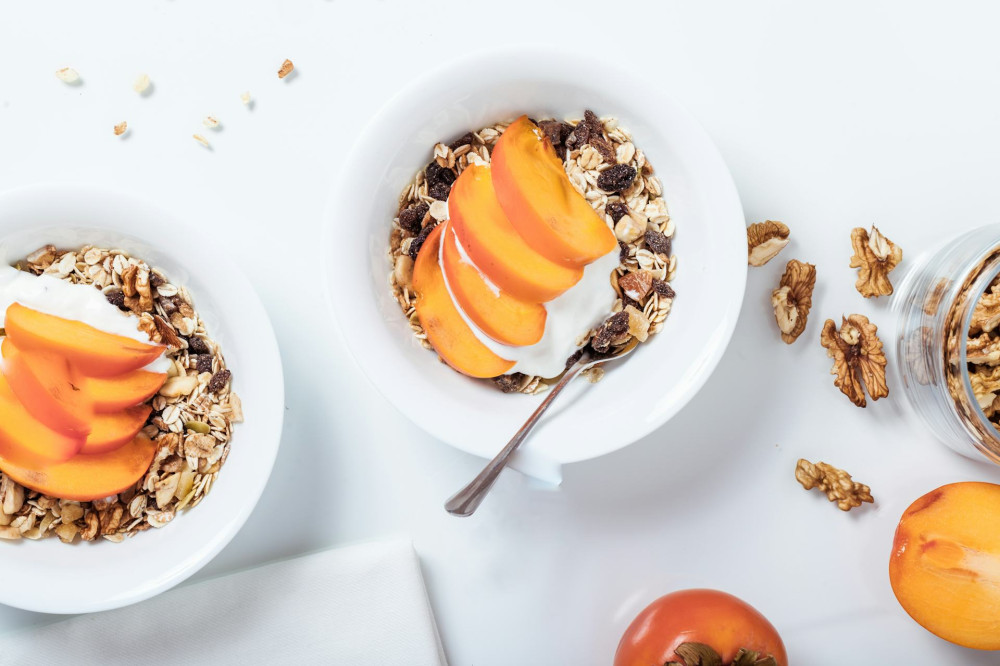
- Have a main meal 2–3 hours before training. Try a bowl of oats with milk and fruit, a wholegrain sandwich with eggs, or a pasta dish with veggies and chicken.
- Add a small snack 30–60 minutes before. A banana, a handful of nuts, or a tub of yoghurt can give you a quick energy boost without feeling heavy.
Avoid greasy or high-fibre foods right before exercise — they take longer to digest and can cause discomfort once you get moving.
During Your Workout – Keep the Energy Flowing
If your workout lasts less than an hour, you usually don’t need extra fuel as long as you’ve eaten well beforehand. But for longer or more intense sessions, your body can start to run low on stored carbohydrates.
- Stay hydrated. Even mild dehydration can affect your performance and focus.
- For sessions over 60–90 minutes: Consider quick carbs such as a sports drink, a piece of fruit, or an energy gel. These help maintain blood sugar levels and delay fatigue.
Listen to your body. If you start feeling dizzy, light-headed, or unusually tired, it might be time to refuel or take a short break.
After Your Workout – Rebuild and Recover
Once you finish training, your body is ready to repair muscles and restore energy stores. What you eat now can make a big difference in how quickly you recover.
- Eat within 30–60 minutes after training. Combine carbohydrates and protein — for example, a smoothie with milk and berries, a wrap with tuna and salad, or Greek yoghurt with fruit and oats.
- Rehydrate. You lose fluids through sweat, especially in Australia’s warm climate, so drink plenty of water.
- Have a balanced meal later. Include vegetables, whole grains, and a good protein source such as fish, chicken, beans, or eggs.
Match Your Food to Your Training
Different types of exercise call for different fuel strategies. A short jog, a heavy weights session, and a long bike ride each place unique demands on your body.
- Endurance training: Carbohydrates are key — they’re your body’s main energy source.
- Strength training: Protein becomes more important for muscle repair and growth.
- Light activity or yoga: A small meal before and after is often enough — focus on hydration and balanced nutrition.
The goal is to find a rhythm that suits your body and your training style.
Læs også:



Don’t Forget Hydration – The Hidden Energy Source
Water is one of the most overlooked performance boosters. Even a small drop in hydration can lead to fatigue, cramps, and reduced concentration.
- Drink a glass of water 1–2 hours before training.
- Sip regularly during your session, especially if you’re sweating heavily.
- After training, drink until you feel rehydrated — ideally alongside a meal.
If you’re exercising outdoors in hot or humid conditions, a sports drink with electrolytes can help replace lost salts and minerals.
Listen to Your Body and Find Your Balance
There’s no one-size-fits-all nutrition plan. Age, gender, training type, and goals all play a role. Some people need more energy, others less. Pay attention to how you feel — if you’re sluggish, bloated, or low on energy, it might be time to adjust what or when you eat.
Eating right during your workout isn’t about strict rules. It’s about giving your body the right fuel at the right time — so you can perform at your best and feel great doing it.
Læs også: