Conversations on the Go: Turn Walks and Errands into Quality Family Time

Conversations on the Go: Turn Walks and Errands into Quality Family Time
In the rush of everyday life, it can be hard to find time for real conversations. Between work, school, sports, and household chores, the quiet moments often disappear before we’ve had a chance to connect. But maybe it doesn’t have to be that complicated. A walk to the local shops, a stroll with the dog, or a quick trip to pick up the mail can become small pockets of family time – no extra planning or scheduling required.
Everyday paths as spaces for connection
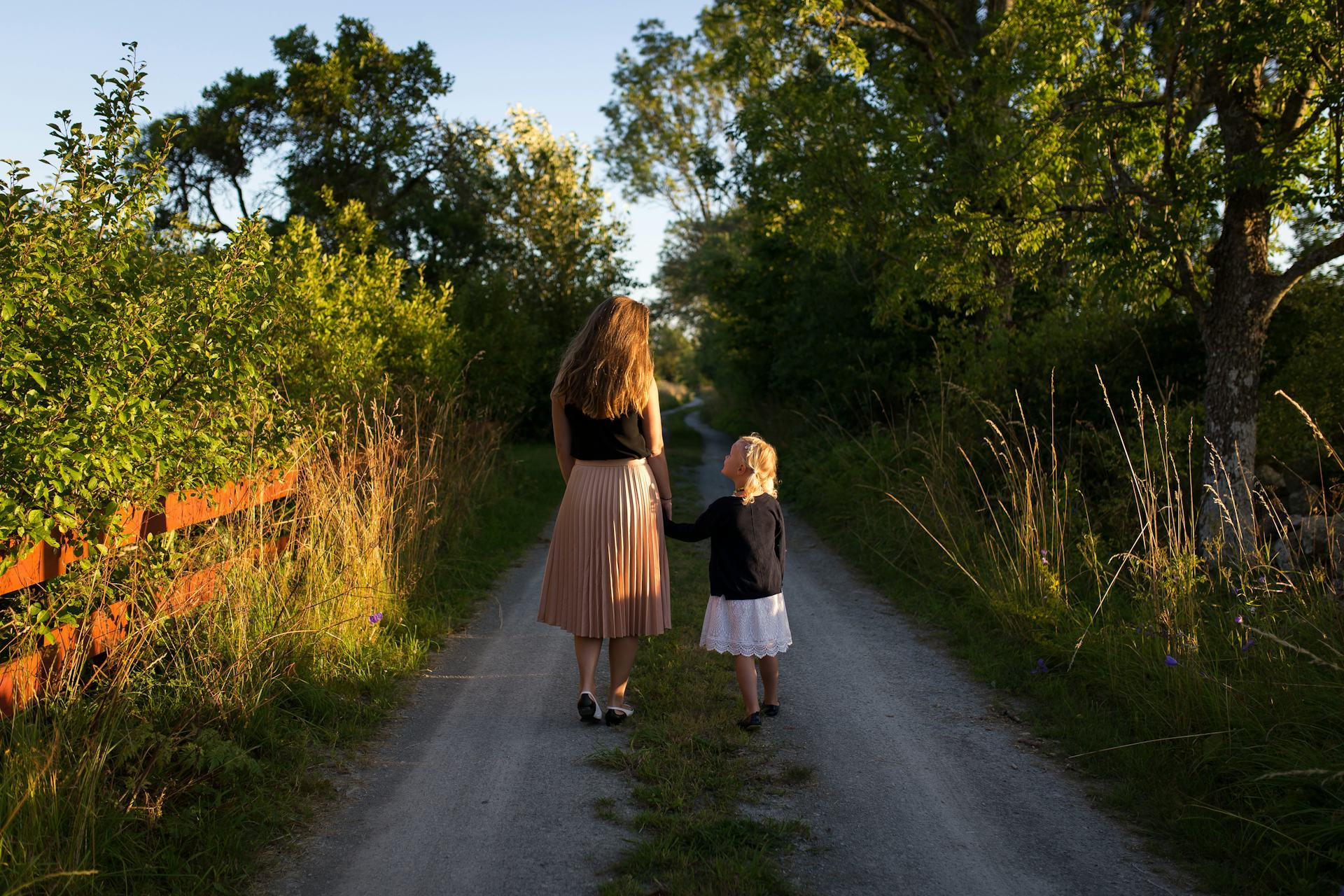
When you walk side by side, something shifts. You don’t have to look each other in the eye all the time, and that can make it easier – especially for kids and teens – to open up. The conversation flows more naturally, and silences feel comfortable rather than awkward.
It doesn’t have to be a long walk. Even a short trip can create a moment of calm in a busy day. Maybe it’s on the way to the bus stop, while returning bottles for recycling, or walking to the local café. These small in-between moments are often when you can really catch each other before the day moves on.
Turning errands into shared projects
Many parents find that children are happy to help when they feel included. A quick grocery run can become a fun shared task if you make it something you do together. Let your child choose the fruit, carry the bag, or help find the best route home. It builds a sense of responsibility and teamwork – and along the way, conversations about food, school, or weekend plans arise naturally.
Even the most routine errands can become moments of connection if you see them as opportunities rather than chores.
Walking as a space to think and talk
For many children – and adults – it’s easier to talk when the body is moving. The rhythm of walking helps thoughts flow, and being outdoors offers a break from screens and distractions. A walk can be the perfect time for deeper conversations: about friendships, worries, or dreams for the future.
It doesn’t need to be a “serious talk.” Often, the best conversations happen spontaneously – when you comment on something funny you see, share a random thought, or simply enjoy the scenery together.
Create small rituals
When you make a walk or errand a regular part of your routine, it becomes a natural meeting point. It could be a short walk after dinner, a Saturday morning trip to the bakery, or a Sunday stroll with a coffee in hand. The key is to keep it relaxed and enjoyable – not another task on the to-do list.
Children and teenagers appreciate predictability, and when they know there’s a regular time just to be together, it can create a sense of security and open the door to more honest conversations.
Læs også:



Finding connection in the everyday
In a time when many families are juggling work, school, and screen time, it’s refreshing to remember that connection doesn’t require big plans. It’s about noticing and using the moments that are already there.
A ten-minute walk can be enough to laugh together, share a story, or simply enjoy the quiet. Sometimes, the best conversations begin with just a few small steps.
Læs også: