Between Alone Time and Community: How to Find Balance in Your Healing Process

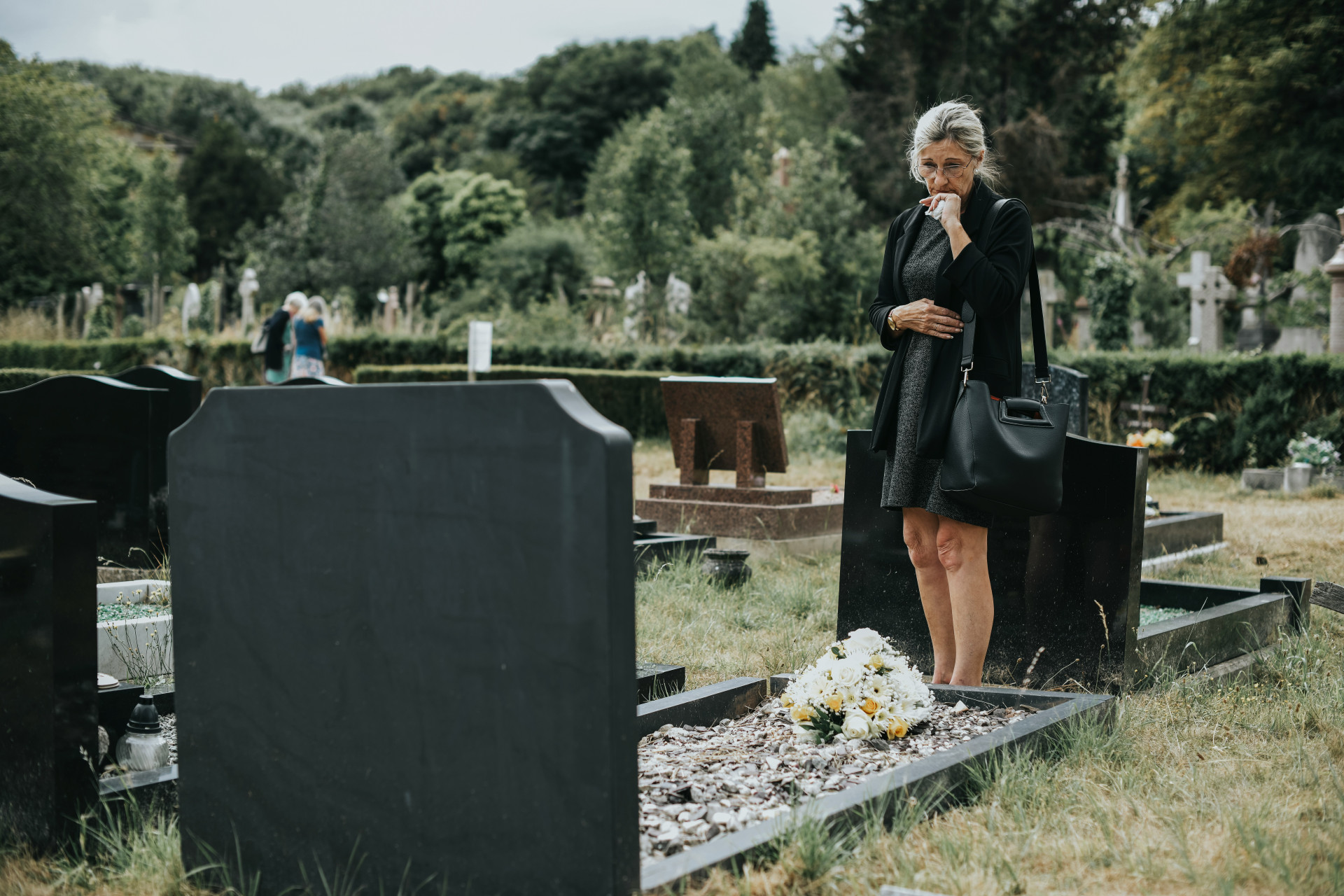
Between Alone Time and Community: How to Find Balance in Your Healing Process
When life hits hard – whether through loss, illness, separation, or major change – the healing process can feel like walking a tightrope between two needs: the need to be alone and the need to connect with others. Both are essential, yet finding the right balance can be challenging. This article explores how you can move gently between solitude and community in a way that supports your healing and wellbeing.
Alone Time as a Space for Calm and Reflection
In times of grief or transition, spending time alone can help you reconnect with yourself. Solitude allows you to listen to your thoughts and emotions without the noise of other people’s expectations. It might mean sitting quietly by the ocean, journalling in the morning light, or taking a walk through the bush.
Alone time isn’t about shutting the world out; it’s about creating a safe space where you can breathe freely. Many people find that in these quiet moments, understanding and acceptance begin to take shape. Give yourself permission to be alone without guilt – it’s a vital part of healing.
The Healing Power of Community
While solitude is important, connection can be just as powerful. Sharing your experiences with others can bring perspective, comfort, and hope. This might happen through conversations with close friends, joining a local support group, or participating in community activities that make you feel seen and understood.
Community reminds us that we’re not alone in our struggles. When you open up, you may find that others recognise your feelings – and that recognition itself can lighten the load. Being part of a supportive network can also give you energy and motivation to take small steps forward.
In Australia, where community often forms around shared spaces – from neighbourhood barbecues to local sports clubs – these connections can be a lifeline. Even a simple chat with a neighbour or a walk with a friend can make a difference.
When Solitude Turns into Isolation
There’s a fine line between seeking peace and withdrawing too much. If you notice that you’re avoiding contact, losing interest in social activities, or feeling trapped in your own thoughts, it might be time to reach out.
It can feel daunting, but often the moments when you least feel like connecting are the ones when you need it most. Start small – a phone call, a coffee catch-up, or a session with a counsellor. The goal isn’t to be social all the time, but to stay connected to the world around you.
Læs også:


When Community Becomes Overwhelming
On the other hand, too much social activity can be exhausting. If you’re constantly surrounded by people, you might lose touch with your own needs. It’s perfectly okay to say no, take breaks, and choose company that feels nurturing rather than draining.
Listen to your body and mind. Do you feel lighter after spending time with others, or do you feel depleted? Healing requires balance, and only you can sense where that balance lies.
Creating a Rhythm That Works for You
There’s no single formula for balancing solitude and community. The right mix changes over time and depends on where you are in your healing journey. Some days you’ll crave quiet; other days you’ll need connection. Try to create a rhythm that allows space for both.
- Schedule quiet moments each week where you can be alone without distractions.
- Choose your connections carefully – spend time with people who bring you comfort and understanding.
- Stay flexible – allow yourself to change plans if your energy or emotions shift.
- Communicate your needs – both to yourself and to those around you.
Healing isn’t a straight path; it’s a process of moving back and forth. What matters most is that you stay attuned to your own needs and adjust as you go.
Finding Peace in the Balance
Ultimately, finding balance between alone time and community is about finding peace within yourself. When you learn to listen to your own signals and honour your boundaries, your healing becomes more sustainable. You’ll discover that strength can be found in stillness, and comfort in connection – and that together, they form the foundation of wholeness.
Healing takes time, but as you find your rhythm, you’ll notice life slowly opening up again – with new colours, new relationships, and a deeper understanding of who you are.
Læs også: