A Stress-Free Wedding Day: How to Create a Realistic Timeline


A Stress-Free Wedding Day: How to Create a Realistic Timeline
Your wedding day is one of the most memorable moments of your life – but it can also be one of the most hectic. With so many moving parts, a well-thought-out timeline is the secret to keeping things calm and enjoyable. A realistic schedule allows you to savour the big moments while still having time to breathe, laugh, and take it all in. Here’s how to plan your day so it flows smoothly from start to finish.
Start with the heart of the day: the ceremony
The ceremony is the anchor of your wedding day, and everything else should be built around it. Start by locking in your ceremony time – whether it’s a beach ceremony in Byron Bay, a garden wedding in the Hunter Valley, or a city celebration in Melbourne – and plan the rest of the day accordingly.
In Australia, many ceremonies start between 2:00 and 4:00 pm, depending on the season and location. If you’re planning an outdoor ceremony, consider the light and temperature – a later start might be ideal in summer, while an earlier one works better in winter. Once you’ve set the ceremony time, you can map out the rest of the day with confidence.
Læs også:


Give yourself plenty of time in the morning
The morning of your wedding can fly by faster than you expect. Hair, makeup, getting dressed, photos, and last-minute details all take time. Start earlier than you think you need to – it’s far better to have a relaxed morning than to feel rushed.
A good rule of thumb is to include a 30–45 minute buffer between major activities. That way, if something runs over, you won’t be thrown off schedule.
- Bride’s preparation: 3–4 hours (including hair, makeup, and getting dressed)
- Groom’s preparation: 1–2 hours
- Pre-ceremony photos or “first look”: 30–60 minutes
If you’re getting ready at a hotel or Airbnb, make sure there’s enough space and good lighting for your photographer and stylists.
Plan for travel and downtime
Travel between locations can easily eat into your schedule. Whether you’re moving from a ceremony spot to a reception venue or just heading to a nearby park for photos, factor in travel time, parking, and possible traffic. In cities like Sydney or Brisbane, weekend traffic can be unpredictable, so build in extra time just in case.
Don’t forget to include short breaks for yourselves and your guests. A 10–15 minute breather after the ceremony – to grab a drink, freshen up, or simply enjoy a quiet moment together – can make a big difference in how relaxed you feel for the rest of the day.
Reception, dinner, and party – finding the right rhythm
After the ceremony, most couples host a reception with drinks, canapés, and congratulations. Allow enough time for guests to mingle and for you to greet everyone without feeling rushed. A reception usually lasts around 1.5 to 2 hours.
Dinner should start while guests are still energised but not starving. If your ceremony is at 3:00 pm, aim for dinner around 6:30 pm. Coordinate with your caterer and MC to ensure speeches, meals, and entertainment flow naturally.
A sample evening timeline might look like this:
- 6:30 pm: Guests seated for dinner
- 6:45–9:30 pm: Dinner, speeches, and entertainment
- 9:30 pm: Cake cutting and coffee
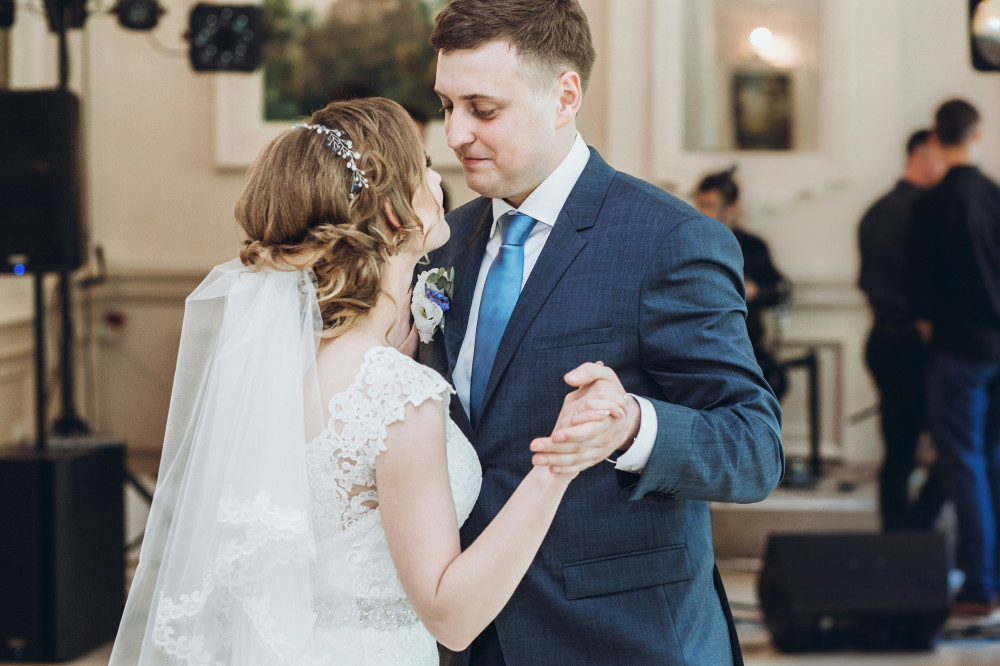
- 10:00 pm: First dance
- 10:15 pm onwards: Dancing and celebration
Of course, every wedding is different – the key is to keep things flexible and leave room for spontaneity.
Involve your MC and key helpers
Your MC (or master of ceremonies) is essential for keeping the evening on track. Provide them with a detailed timeline, but also encourage them to adjust as needed. A natural flow is always better than a rigid schedule.
It’s also wise to appoint one or two trusted people to handle practical matters on the day – liaising with suppliers, managing transport, or helping guests find their seats. This frees you up to focus on what really matters: enjoying your wedding.
Don’t forget to look after yourselves
It’s easy to get caught up in the excitement and forget to pause. The best weddings often have small, quiet moments built in – a few minutes alone after the ceremony, or a private toast before joining the reception. These moments help you stay grounded and truly present.
Think, too, about how you want to end the night. Do you want to dance until the early hours, or slip away quietly for some time together? A realistic timeline isn’t just about logistics – it’s about creating a day that feels authentically yours.
A day that reflects you
There’s no single “right” wedding timeline – only the one that fits your style, your guests, and your vision. Whether you’re planning a relaxed backyard celebration or a formal black-tie affair, the key is to plan thoughtfully and leave space for the unexpected.
A good timeline isn’t a strict schedule; it’s a guide that gives you freedom. When you’ve planned well, you can let go, be in the moment, and enjoy your wedding day exactly as it unfolds – calm, joyful, and completely yours.
Læs også: